
Key Highlights
- The structural integrity of the facility roof is the primary physical consideration for any installation.
- Selecting an experienced partner for solar EPC ensures a seamless transition from design to grid connection.
- Financial analysis should account for both immediate government incentives and long-term energy savings.
- Future-proofing the system involves evaluating the scalability and the quality of the hardware used.
- Comprehensive maintenance plans are essential to keep the energy output consistent over the decades.
Introduction
The transition toward renewable energy is no longer just an environmental choice but a strategic business move. As energy costs fluctuate and carbon taxes become more prevalent, many enterprises are looking at the industrial solar panel as a viable solution for long-term stability. Investing in solar technology at an industrial scale requires a significant capital outlay and meticulous planning to ensure a positive return on investment. It is not merely about purchasing hardware; it is about integrating a complex energy system into an existing operational framework. Business owners must weigh technical requirements against financial goals while navigating regulatory landscapes. By understanding the core components of a successful solar project, companies can mitigate risks and maximise the benefits of their green energy transition.
Assessing Structural Suitability and Roof Condition
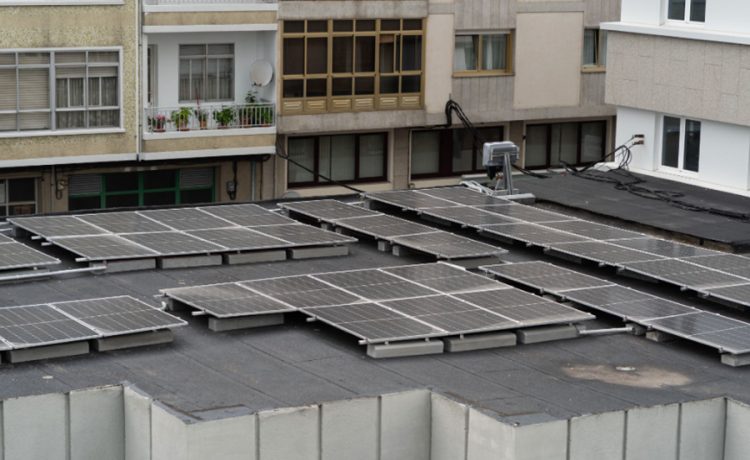
Before any hardware arrives on-site, a thorough assessment of the building’s infrastructure is necessary. An industrial solar panel system adds considerable weight to a roof structure, and the facility must be able to support this load for twenty-five years or more. Engineers must examine the roof’s age, the materials used, and the overall structural integrity. If a roof requires replacement or significant repair in five years, it is often more cost-effective to perform those upgrades before the panels are installed. Additionally, the roof’s orientation and pitch will dictate the efficiency of the energy capture. Avoiding shaded areas from nearby buildings or ventilation shafts is crucial to ensure that the panels receive maximum sunlight exposure throughout the day.
Financial Planning and Government Incentives
The financial viability of solar energy has improved dramatically, but a detailed cost-benefit analysis remains essential. Decision-makers should look beyond the initial price tag and consider the total cost of ownership. This includes maintenance, insurance, and potential inverter replacements later in the system’s life. In many regions, the government offers significant tax credits, grants, or accelerated depreciation schemes to encourage renewable energy adoption. These incentives can significantly shorten the payback period. Furthermore, power purchase agreements or green financing options can allow businesses to install an industrial solar panel system with minimal upfront capital. Calculating the internal rate of return against projected utility price hikes will often reveal that solar is one of the safest long-term investments available.
The Importance of Choosing a Qualified Solar EPC Partner
The success of a large-scale solar project often rests on the capabilities of the chosen solar EPC (Engineering, Procurement, and Construction) provider. This partner manages the entire lifecycle of the installation, from the initial site survey and system design to the procurement of high-tier components and the actual construction. A reputable provider ensures that the system complies with local electrical codes and safety standards. They also handle the complex paperwork required for grid interconnection and government permits. By consolidating these services under one specialist, a business reduces the risk of communication gaps and technical errors. Choosing a partner with a proven track record in the industrial sector provides the peace of mind that the system will perform as promised.
Long-Term Maintenance and Performance Monitoring
An industrial solar installation is a long-term asset that requires consistent attention to maintain peak performance. While solar panels have no moving parts, they are exposed to the elements, which means dust, bird droppings, and industrial pollutants can accumulate and reduce efficiency. Regular cleaning schedules and electrical inspections are necessary to prevent energy loss. Modern systems now incorporate sophisticated monitoring software that allows facility managers to track energy production in real-time. This technology can alert the team to any underperforming strings or technical faults immediately. By establishing a robust maintenance contract with the solar EPC provider, a business ensures that the system remains an asset rather than a liability, protecting the financial returns for the duration of the hardware’s lifespan.
Conclusion
Investing in industrial solar power is a multifaceted process that extends far beyond the simple installation of equipment. It requires a harmony of structural readiness, expert engineering, and sound financial strategy. By focusing on the quality of the industrial solar panel and the expertise of the project partner, businesses can secure a reliable energy source that reduces overheads and carbon footprints simultaneously. Careful planning today ensures that the transition to renewable energy is both smooth and highly profitable for the decades to come.
Contact LHN Energy to learn how our expert team can help you design and implement a bespoke solar solution for your industrial facility.