
Key Takeaways
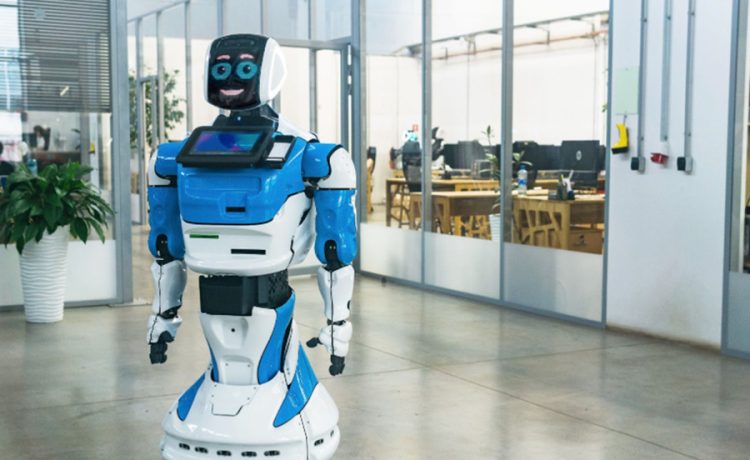
- A security robot in Singapore depends on daily monitoring, route adjustments, and human oversight to operate reliably in real environments.
- Advanced robot management software allows operators to manage patrols, updates, battery cycles, and alerts without physically accessing the robot.
- A robotic management system helps coordinate performance over time, ensuring robots adapt to changing spaces rather than following static routines.
Introduction
Deploying a security robot in Singapore does not end when the machine is switched on and placed in a building. Once a robot begins operating, the real work shifts to how it is monitored, adjusted, and supported. Without proper oversight, even the most capable robot quickly becomes unreliable. Advanced robot management software and a well-designed robotic management system are what allow security robots to function consistently in real environments, where conditions change daily, and no space behaves the same.
1. Daily Operations Start With Central Monitoring
A security robot rarely operates in isolation. Most deployments rely on a central dashboard where operators can see where the robot is, what it is doing, and whether it is functioning. This view allows teams to confirm that patrols are happening as scheduled and that the robot is moving through assigned areas without interruption.
When a robot pauses unexpectedly or encounters an obstacle, alerts surface immediately. It prevents issues from becoming extended downtime. In daily use, this kind of visibility is what turns a robot into a dependable part of operations rather than an unpredictable device.
2. Route and Schedule Adjustments Are Ongoing
Structures are changing. Yesterday’s open doors can be closed today. Temporary obstacles arise during delivery, maintenance, or festivities. Routes and patrol schedules can be changed without physically reaching the robot thanks to a robotic administration system.
Operators can temporarily exclude specific zones, adjust patrol frequency, and update pathways remotely. Static routes don’t represent the behaviour of real areas, hence this flexibility is important. Through daily management, the robot is kept in step with how the environment actually operates.
3. Software Oversight Keeps Performance Consistent
Robots depend on software updates over time to enhance stability, navigation, and detection accuracy. Updates can be released in a controlled manner, usually during off-peak hours to minimise interruption, thanks to sophisticated robot management software.
Without this layer, robots might keep using antiquated systems that don’t adapt well to changing circumstances. Frequent updates guarantee that identified problems are fixed before they impact operations, and that performance stays constant.
4. Battery and Charging Are Actively Managed
One of the most practical parts of managing a security robot in Singapore is ensuring it stays powered without interrupting coverage. Management systems track battery levels in real time and coordinate charging cycles.
If a robot returns to charge too early or too late, patrol coverage suffers. Through monitoring tools, operators can adjust schedules so that charging happens predictably and does not interfere with key time windows. It prevents gaps that would otherwise go unnoticed until an issue occurs.
5. Incident Review Is Part of Routine Oversight
When a robot flags an unusual event or encounters a problem, management software records what happened. These logs allow teams to review footage, sensor data, and movement history after the fact.
This review procedure aids operators in determining whether routing problems, technological constraints, or environmental variables caused an alarm. These insights lead to better configuration and fewer false interruptions during daily use.
6. Coordination Across Multiple Robots
In larger deployments, more than one robot may operate within the same site. Robots can avoid needless overlap and obstruction of one another’s pathways by coordinating their movements with the aid of a robotic management system.
This coordination also allows coverage to be spread evenly across different zones. Instead of treating each robot as a standalone unit, the system manages them as part of a broader operational setup that adapts throughout the day.
7. Human Oversight Remains Essential
Even with automation, human supervision remains part of daily management. Operators monitor dashboards, respond to alerts, and make judgment calls when environments change unexpectedly.
The goal of management software is not to remove oversight but to make it manageable. By surfacing the appropriate information at the right time, teams can support security robots efficiently without constant manual intervention.
Conclusion
A security robot in Singapore functions reliably only when supported by strong day-to-day management. Advanced robot management software and a structured robotic management system provide visibility, flexibility, and control once robots are deployed. Through monitoring, updates, scheduling, and review, these systems ensure that robots remain aligned with real environments rather than ideal conditions. In practice, effective management is what allows security robots to operate consistently, adapt to change, and remain useful over time.
Contact KABAM Robotics to understand how a security robot in Singapore is managed daily and what software support is required before deployment.