
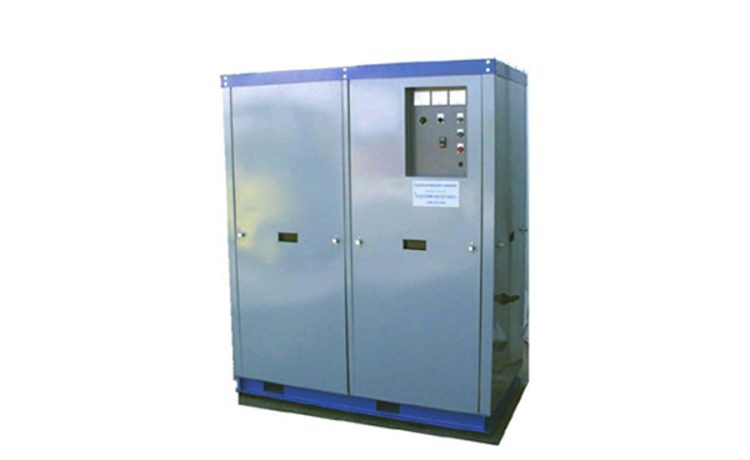
Routine preventative maintenance prevents sudden electrical failures and adds years of operational service to your frequency converters. When neglected, the high-capacitance banks, high-speed cooling systems, and delicate power electronics found in variable frequency drives deteriorate. Dust accumulation, thermal overload, loose terminal connections, and unmitigated moisture account for the vast majority of drive breakdowns. Implementing a structured maintenance routine protects your capital investment, lowers total cost of ownership, and keeps critical motor-driven infrastructure running without unexpected downtime.
Establishing Cleanliness and Dust Control Protocols
Short circuits and localized overheating can be avoided by clearing drive cabinets of airborne dust and particle debris. Ambient dust accumulates on interior circuit boards in industrial settings, forming an insulating layer that directly traps heat against delicate microprocessors and power transistors. This debris becomes conductive when it comes into contact with surrounding moisture or oil vapors, resulting in arc pathways that permanently obliterate internal circuit traces.
Cleaning the exterior enclosure, air intake grills, and internal cooling fans should occur on a monthly or quarterly schedule depending on facility conditions. Utilizing dry compressed air at low pressure removes loose debris without damaging fragile board components. For heavy contamination, non-conductive electronic cleaners dissolve oil films safely. Keeping internal components clean allows heat sinks to radiate thermal energy efficiently, preserving delicate silicon layers.
Inspecting Electrical Connections and Terminal Integrity
Checking mechanical fasteners and wiring terminals regularly prevents resistive heating and thermal damage. Continuous mechanical vibration from nearby heavy machinery causes terminal screws, wire lugs, and mounting bolts to loosen over time. Loose electrical connections create higher contact resistance, generating intense heat spots that melt terminal blocks, scorch wiring insulation, and trigger false overcurrent faults.
Using a calibrated torque wrench during routine shutdowns ensures every power and control terminal matches manufacturer tightness specifications. Thermographic infrared cameras offer an excellent non-invasive diagnostic method while the drive operates under load. Scanning internal busbars and line-side connections reveals hidden hot spots instantly, allowing technicians to isolate and tighten loose hardware before wires fuse together.
Monitoring Cooling Systems and Capacitor Health
Maintaining optimal airflow and tracking electrolytic capacitor wear prevents heat-induced drive shutdowns. Internal cooling fans run continuously to push ambient air across heavy aluminum heat sinks. As fan bearings wear out, airflow drops significantly, causing internal temperatures to spike under heavy motor loads. Replacing cooling fans proactively after their rated operating hours prevents catastrophic thermal trips during peak production runs.
DC bus capacitors degrade gradually over time due to heat exposure and operational voltage stress. Inspecting capacitor banks visually for signs of bulging tops, fluid leakage, or cracked vent caps catches failing components early. Measuring DC bus ripple voltage during maintenance routines gives clear early warnings of capacitor breakdown, allowing for planned component replacement rather than an emergency drive swap.
Conclusion
Maximizing the lifespan of your Visicomm Industries rotary frequency converters requires consistent cleaning, systematic thermal monitoring, and regular electrical hardware checks. Preventing dust accumulation and heat buildup safeguards delicate microelectronics, while proactive capacitor and fan replacements eliminate common root causes of drive failure. Investing small amounts of time into structured preventative maintenance yields massive savings by avoiding unplanned factory downtime and premature equipment replacement. Taking control of your maintenance schedule ensures your variable frequency drives continue delivering smooth, energy-efficient motor control for years to come.