
Key Takeaways
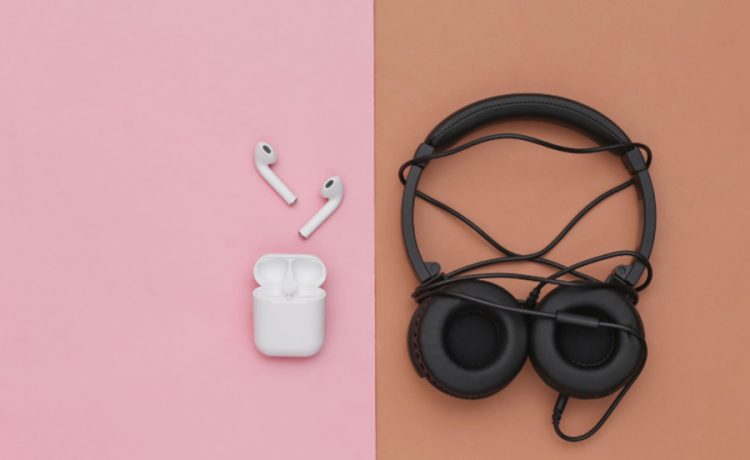
- Wireless earbuds and wireless headphones serve different listening needs rather than competing directly with each other.
- Earbuds prioritise portability and convenience, while headphones focus on comfort, stability, and sustained performance.
- Owning both only makes sense when your daily routines involve clearly different listening environments.
- Choosing one well-matched device is more practical than maintaining two for most users.
Introduction
The growth of audio technology has made both wireless earbuds and wireless headphones widely accessible, reliable, and capable of high-quality sound. Many users now find themselves wondering whether owning both is necessary or whether one device can realistically cover all use cases. The answer depends less on sound quality and more on how, where, and how long you listen throughout the day.
The Use of Wireless Earbuds
Wireless earbuds are designed around mobility. Their compact form allows them to fit easily into pockets or small bags, making them a common choice for commuting, short errands, and casual daily use. Earbuds provide convenience that larger devices cannot, essential for users who move frequently, switch locations often, or need a discreet audio solution.
From a functional standpoint, wireless earbuds work well for brief listening sessions. They are suitable for podcasts, short calls, and background music while travelling or walking. Many models also integrate touch controls and quick pairing, reducing friction during use. However, battery capacity is limited by size, and extended wear can cause ear fatigue for some users, especially during long workdays or back-to-back calls.
The Appeal of Wireless Headphones
Wireless headphones prioritise stability and comfort over portability. Their over-ear or on-ear design distributes pressure more evenly, making them better suited for long listening sessions. Headphones often deliver clearer microphone performance and more consistent noise isolation during calls and meetings, critical for professionals working remotely or in hybrid environments.
Meanwhile, in terms of performance, wireless headphones generally offer longer battery life, stronger passive noise isolation, and a more immersive soundstage. These features make them appropriate for focused work, home use, and extended media consumption. The trade-off is bulk. Headphones require dedicated storage and are less convenient for spontaneous or short-duration use outside the home.
When You ACTUALLY Need Both
Owning both wireless earbuds and wireless headphones makes sense when your listening contexts are clearly divided. For example, users who commute daily but also work long hours at a desk may benefit from earbuds for travel and headphones for sustained work sessions. Similarly, frequent travellers may use earbuds in transit while relying on wireless headphones in hotels or home offices.
Another scenario involves role-based usage. Some professionals use earbuds for quick calls and mobility during the day, then switch to headphones for focused tasks that demand audio clarity and comfort. The devices are not redundant in these cases. They perform different roles based on environment, duration, and attention level.
When Should You Stick With One Device
Owning one device is usually sufficient if your listening habits are relatively consistent. Users who primarily listen at home or in a fixed workspace will often find wireless headphones adequate for all needs. Conversely, those who mainly consume audio on the move may find wireless earbuds more practical without feeling limited.
Budget and maintenance should also be considered. Managing two devices means charging, updating firmware, and eventual replacement for both. Additionally, if one device already meets your daily requirements without compromise, adding a second often creates unnecessary complexity rather than meaningful improvement.
Conclusion
Wireless earbuds and wireless headphones are designed to solve different problems, not replace one another. Whether you need both depends on how varied your daily listening environments are. Owning both can be practical for users with distinct mobility and stationary listening needs. However, for everyone else, choosing the device that best aligns with their dominant routine is usually the more efficient and cost-effective decision.
Visit Harvey Norman to find the listening device that actually fits how you listen—not just what’s trending.